
How to Harvest Bee Propolis from Your Hive

Learning how to harvest propolis from your beehives is a fun activity. We all know that bees make honey, but they produce other useful substances, including beeswax and propolis. They have important “bee reasons” for doing this, but we humans find these products useful too.
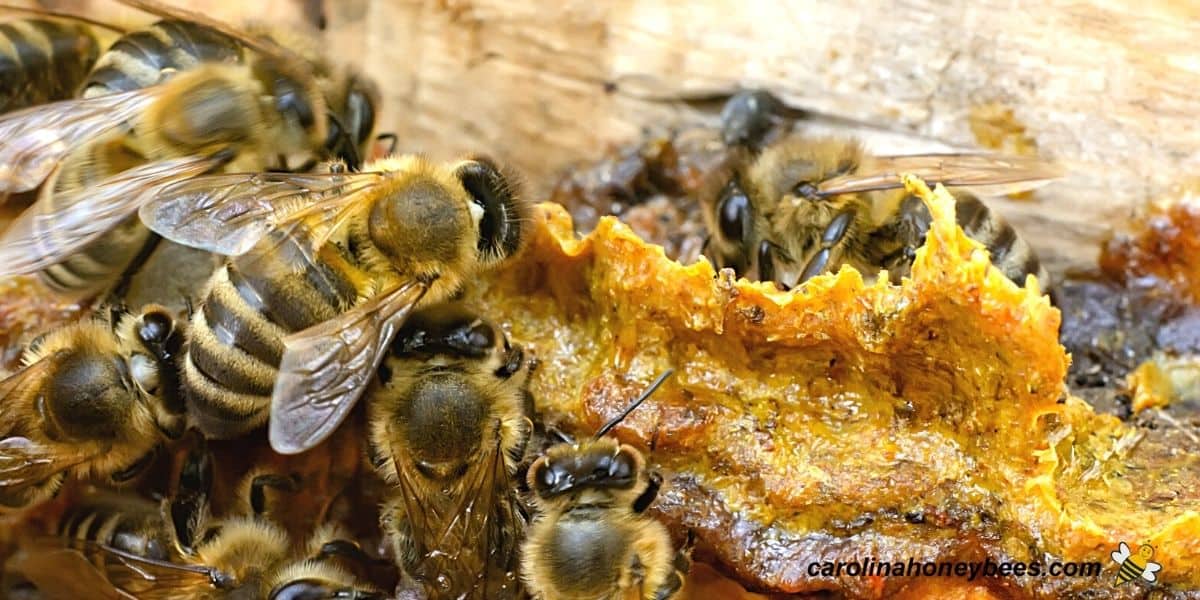
Propolis is just one of several useful products from the bees that we can use. Along with honey and beeswax, these valuable resources are some of the many benefits of keeping bees.
Collecting Propolis from Your Bees
There are two easy ways to collect propolis from your beehives. For small amounts, scrape excess propolis from hive equipment during hive inspections or routine maintenance.
If you want a larger harvest, use a propolis trap to encourage the bees to produce more.
Let’s look at both methods.
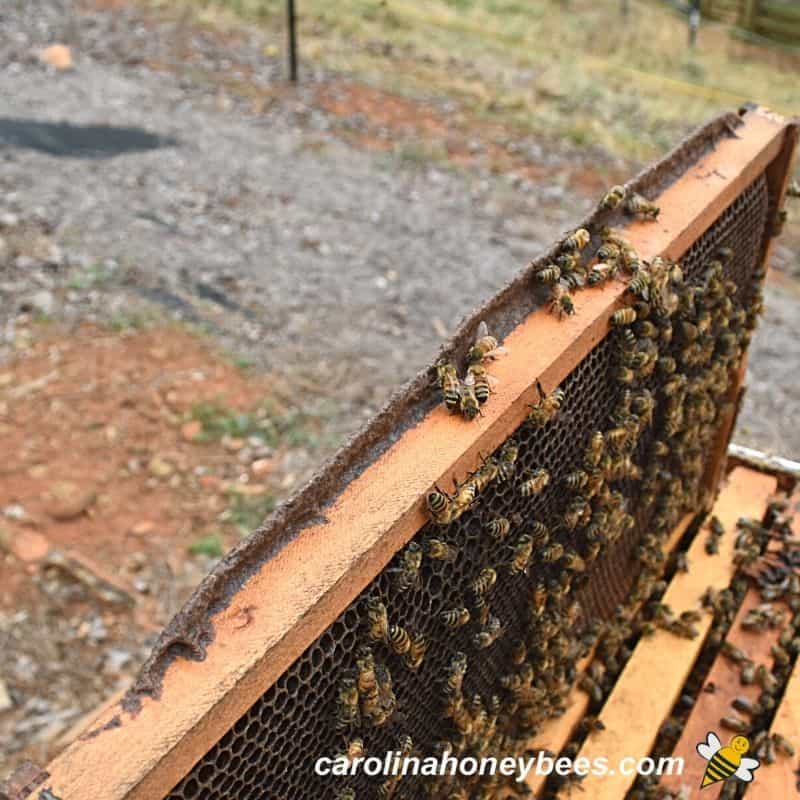
Scraping Propolis from Hive Equipment
No special equipment is needed to collect propolis scrapings—your hive tool will do the job.
Look for propolis along frame rests, frame ends, box edges and other cracks or seams the bees have sealed.
After the honey harvest, empty super boxes and frames may also contain propolis that can be collected without disturbing the colony.
1. Spread a sheet or plastic tarp on the floor to catch the scrapings.
2. Inspect each wooden hive part, looking for sticky propolis.
3. Use your hive tool to gently scrape off the bee glue.
4. Avoid getting wood shavings or paint chips in the propolis as much as possible.
5. When finished, gather your tarp and pour the propolis bits into a clean container.
6. Store the collected propolis in the freezer until you are ready to clean it.
Scrapings will likely contain small pieces of wood, wax and other hive debris. Be as gentle as possible when scraping wooden surfaces—you’ll have a chance to clean the raw propolis later.
Using a Propolis Trap
If you want to collect more propolis, a commercial propolis trap is a good option. These flexible plastic sheets contain many small openings that the bees will seal with propolis.
Place the trap on top of the uppermost box with the inner cover removed. Prop the outer cover up just a bit to allow some light and airflow to enter from above.
(By a bit – I mean only with a coin or small craft sick). The bees will work to seal these small openings with propolis.
Best Time to Use a Propolis Trap
Late summer into early fall is a good time to use a propolis trap. During this time, colonies are preparing for the cold months ahead and are often eager to seal small cracks and openings.
Once the trap is filled, remove it from the hive. Don’t leave the propolis trap on the colony for winter.
Removing Propolis from the Trap
Place the filled trap in a plastic bag and put it in the freezer for several hours.
Once the propolis is cold and brittle, flex or twist the trap over a clean surface or inside the bag. The pieces should pop out of the openings easily.
Keep the collected propolis frozen until you are ready to clean it.
Special Note – You don’t “have to” use a trap. Some old school beekeepers use metal screen wire to collect propolis and then remove it by freezing.
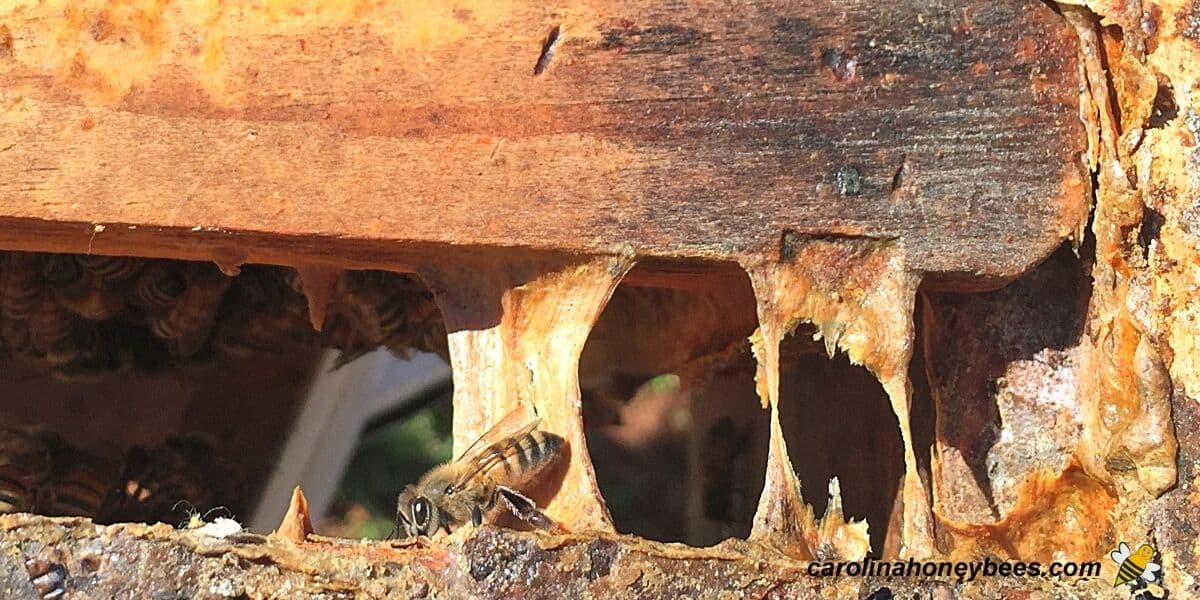
What is Bee Propolis?
Propolis is a sticky substance made by honey bees from plant resins collected from trees, buds and other plant sources.
The bees bring these resins back to the hive and mix them with wax, enzymes and other substances to make propolis.
Often called “bee glue,” propolis is usually brown or reddish-brown, but the color can vary depending on the plant sources available to the colony.
If you’ve ever tried to remove a frame that seemed glued firmly in place, you’ve probably encountered propolis.
It is sticky and gummy when warm but becomes hard and brittle at cooler temperatures.
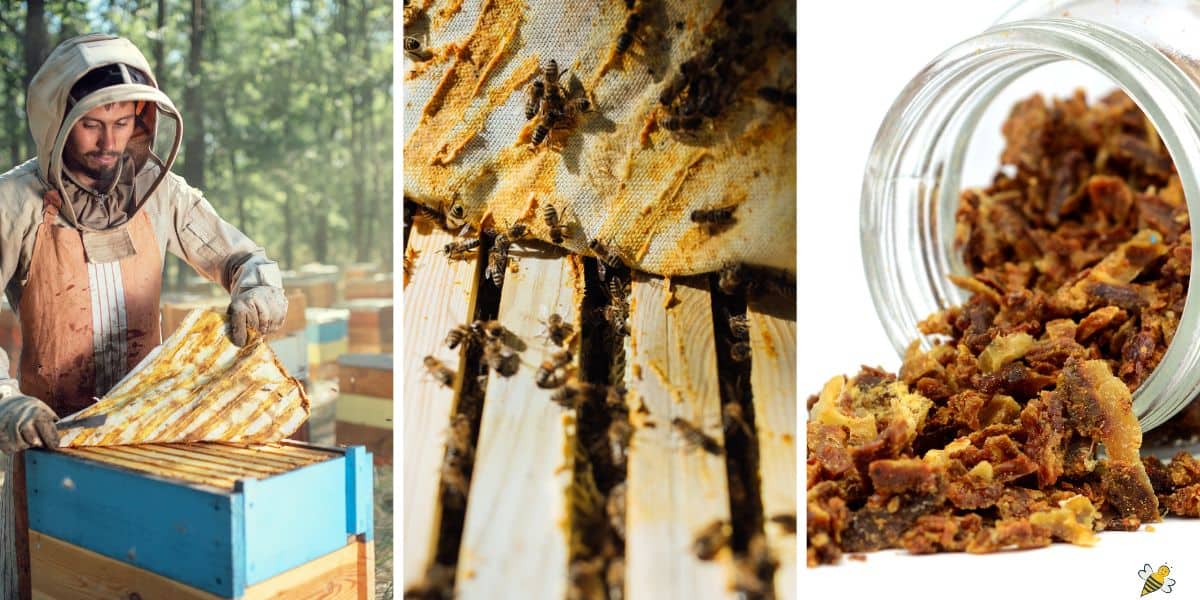
Why Bees Use Propolis
Honey bees use propolis to seal cracks and small openings throughout the hive. It helps them reduce unwanted airflow, smooth rough surfaces and seal spaces that are too small to fill with beeswax.
Bees may also coat interior hive surfaces with a thin layer of propolis. This is part of the colony’s natural housekeeping and helps maintain the environment inside the hive.
Bee propolis has anti-fungal, antiviral and antibacterial properties. It helps prevent unwanted fungus or bacterial growth inside the warm humid hive.
This use of this natural sealer goes far beyond just sealing a few cracks between bee boxes. It promotes good colony health.
Some colonies produce much more propolis than others. As a beekeeper, you may find one colony that barely sticks the frames together while another seems determined to glue down everything in sight.
This is one reason I like to assemble my own beehive frames – to make sure they are tightly glued together and won’t pull apart.
How to Clean Raw Propolis
Propolis collected from hive scrapings will usually contain some unwanted material. Small pieces of wood, wax, bee parts and other debris can become mixed in with the sticky propolis.
Cleaning is easier when the propolis is cold. Propolis is hard and brittle when cold but becomes soft and gummy as it warms.
Break the cold propolis into small pieces and place them in a container of cool water. The heavier propolis will sink while much of the lighter wax and debris floats to the top.
Skim off the floating debris and repeat the process if necessary. Once you are satisfied with the results, spread the cleaned propolis out to dry completely.
How to Store Harvested Propolis
Once completely dry, place the propolis in an airtight container or plastic bag.
For longer storage, I prefer to keep it in the freezer. This keeps the propolis hard and prevents you from ending up with a sticky lump of bee glue when you’re ready to use it.
You may want to try making your own propolis tinctures. Many people believe it has beneficial properties for good health.
FAQs
Collecting excess propolis or using a propolis trap shouldn’t require removing something the colony uses as food. However, avoid excessive scraping inside an active hive simply for the sake of collecting propolis. Focus on excess material and normal hive maintenance.
Propolis production varies between colonies and types of honey bees. Some colonies use relatively little, while others seem determined to glue every movable hive part together
Yes. Empty boxes, frames and other wooden hive parts often have propolis along edges, seams and frame rests. As long as the equipment is clean and has not been exposed to chemicals or other contaminants, these scrapings can be collected and cleaned.
A Final Word
Learn how to harvest propolis from bees is a useful skill. Raw propolis can be sold to several online companies. Do a search for them and perhaps you can add a bit of extra profit (income) to your beekeeper salary this year. Save those clean scrapings during routine hive work, and you may soon have enough for your own projects. And the next time your bees glue a frame firmly in place, perhaps you won’t be quite as annoyed with them.
Will you please tell me how to preserve and store propolis
Recheck the post Deborah and it may answer your question. I was very recently updated and rechecked.