
Finding the Right Bee Keeper Suit
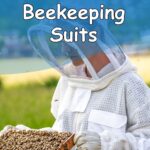
Choosing the right beekeeping suit is one of the most important tasks for a new beekeeper. It is the first line of defense against stings. But, there are so many materials and styles to choose from. In this bee keeper suit guide, I’ll walk you through the main factors you need to consider before making a final choice. You’ll also find a few recommendations.

With so many options – deciding which pieces of protective beekeeping clothing you need is challenging. Don’t let the “nay-sayers” (oh, you don’t need a veil or suit )keep you from feeling relaxed and enjoying your bees-you don’t have to suffer with multiple stings.
How to Choose a Beekeeping Suit
Choosing a bee suit doesn’t have to be overwhelming. You may not love the first one you buy. But, in time you will learn what fits your style of beekeeping.
Factors to consider are: how often you will use the suit, your climate and the level of protection you desire.
- full beekeeper suit
- bee jacket
Full Suit or Jacket
A full beekeeping suit covers you from head to ankle. Then, you use socks, regular shoes, beekeeping shoes or boots for foot protection.
This level of protection is perfect for beginning beekeepers who need to learn how to manage bees calmly. However, many experienced beekeepers – myself included choose to wear full bee suits.
Bee Jackets
Another population option for beekeeping safety is to use a bee jacket. The jacket has an attached veil, long sleeves with elastic cuffs and a band around the bottom to keep the jacket snug against your body.
I have several jackets. They are effective, light-weight and easy to get off and on. Paired with long pants – a beekeeper jacket provides good protection.
Cotton or Ventilated Suits
- ventilated
- cotton
- poly
Ventilated suits use layer mesh materials to build up a thickness that the bee’s stinger can not reach through. However, they do allow air to flow through and can be a big help for beekeepers living in hot climates.
Cotton suits are sturdy and offer some of the best sting protection. However, they can be heavy and are definitely hot in warm weather.
Polyester suits are favored by some beekeepers. While not as breathable as cotton or ventilated suits, they are lightweight and offer sting protection due to their slick surface.
Choosing the Right Veil Style
Beekeeper veils can be purchased in several different styles. Some can be used without a jacket or suit with a tie-down cord. Other pieces of head protection zip onto suits and jackets.
- fencing veils
- round veils
Fencing veils are those sometimes called “gumby veils”. They feature an oval covering with screen mesh to see though. They are form-fitting and less likely to catch on things. This is my favorite.
Round veils used the be the most popular choice and are still preferred by many beekeepers. They feature a top hat material (usually of cotton) and a strip of mesh all around the viewing area.
They offer excellent ventilation and a wider field of view but can be bulky and move around on your head more.
Fit and Comfort
The last thing you want is a tight fitting bee suit or jacket. The bee yard is not the place to be over concerned about fashion.
Your suit or beekeeping jacket should fit loosely. Think loose – but not too loose. The fit must allow easy movement and cover all of your “essential parts” when you bend over.
Remember, you will not be spending a lot of time standing still and straight in this suit. This is a great time to “say no to crack”. Bend, twist, run a few steps – can you do this with ease?
A roomy fit allows you to bend, twist and work in the bee yard during hive inspections. Are the sleeves long enough when you stretch out to pick up things and not expose too much arm?
This post may contain affiliate links. Carolina Honeybees earns a tiny commission when you shop from our links. See our privacy policy for terms.
Ready to Find Your Beekeeping Suit?
Now, you understand some of the most important factors to consider when buying your bee suit. Below are a few popular options used by experienced beekeepers.
Each has pros and cons – compare the features that mean the most to you.


Kids Bee Suits
Don’t forget the kids. A wonderful way to give children a glance into the world of bees. These can also make a great bee keeping costume for Halloween.
Bee Suit for Kids with Gloves &Ventilated Hood


Searching for the Sting Proof Suit?
Yea… good luck with that one. Beekeeping suits vary in the degree of protection that they offer. Good seams, tight sealing zippers and sturdy veil screens are a good line of defense. But, no suit that I know of is 100% sting proof.
Preventing serious stinging situations is about more than just your protective gear. When you understand why bees sting and learn how to inspect your hive properly – your time in the hive will be more pleasant.
** Personal Story – A few years back a magazine was doing an article on me and my bees. They sent a photographer to take pictures in the bee yard. The young man arrived for the photo session. He got out of his little sports car dressed in tight black jeans and a black t-shirt. My first thought – “Hmm, this is not good.” I had a spare suit so things turned out well.

Get the Buzz on Beekeeping & Life with Bees..
Subscribe to my weekly newsletter. Practical beekeeping guidance, along with honey uses, beeswax projects, and bee-friendly gardening ideas.
FAQs
Choosing the best beekeeping suit for you depends on several variables including: budget, comfort, level of protection wanted etc.
Expect to pay between $50 and $250 for a beekeeper suit or quality jacket. With the popularity of the hobby, beekeeping supplies have become easier to find.
Beekeeping suits are traditionally white but they don’t have to be. There are many light colors that tend to cause less of an aggressive reaction by the bees.
A Final Word
There is no perfect beekeeping suit that can promise zero bee stings (keep those bee sting reYou don’t have to spend a fortune but beware of very cheap products. You may choose a well-made suit that lasts for years or a more economical option. Suits are also a good choice for a beekeeper gift – an inexpensive extra jacket to have on hand. You never know when a photographer will show up in black clothes.