
Keeping Bees Away From Swimming Pools
Summer is the perfect time to enjoy your backyard pool, but uninvited guests like honey bees can ruin your relaxation. Knowing how to keep bees away from a pool is essential to maximize your swimming enjoyment. Honey bees and other insects are naturally attracted to your pool as a water source. In this guide, I will share some tips and techniques to help keep bees away or at least reduce the problems they may cause.

Even the most ardent bee lover may not want to share their swimming pool with honey bees, wasps or hornets. During the warm season these insects need water. An interesting honey bee fact – they not only need water to prepare food – they use it to help cool their hive.
Bee Visitors to Your Backyard Pool
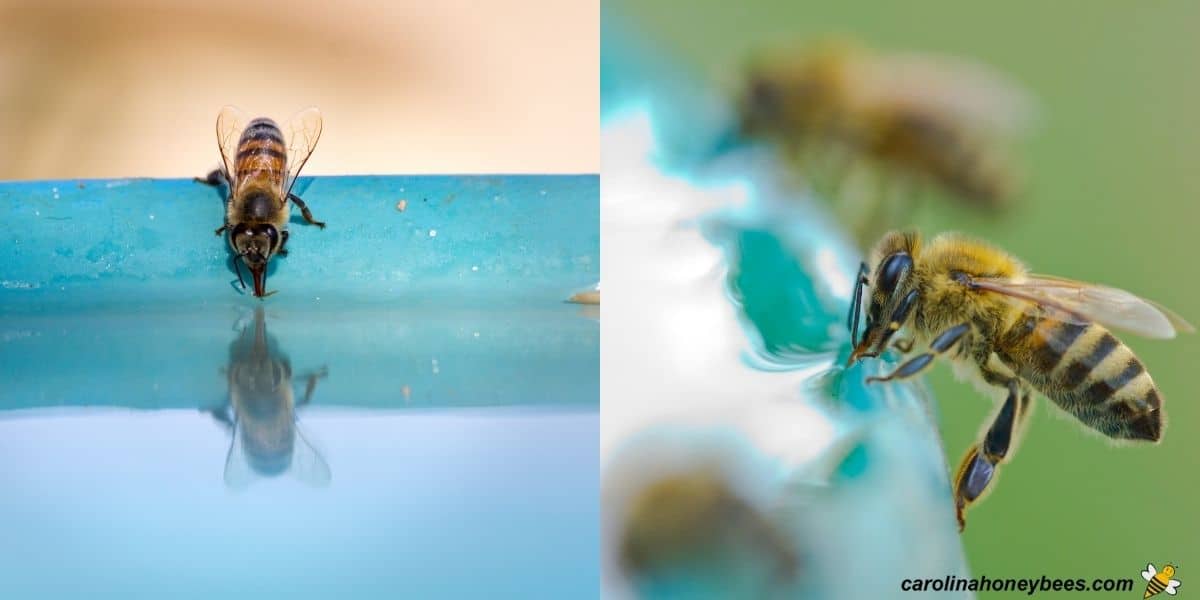
Some insects will end up in your pool water. Water demands by bees are greater during the hot Summer – the exact time of year that humans seek the cool comfort of a swimming pool.
The odor sensitive honey bee is naturally attracted to chlorine and salts. They need the sodium magnesium and potassium found in pools, salt water – and mud holes. But, don’t despair.
There are some things you can do to make your swimming pool less attractive to the local bee population.
Tips for Deterring Bees from Pools
Please don’t use pesticides or harmful chemicals to drive bees away from the swimming pool. They never work well and poison the environment and possibly you too.
It may be impossible to keep every bee away from outside areas. However, there are some things you can do to reduce the number of winged visitors.
- avoid floral scents in sunscreens etc
- use scents bees avoid
- don’t plant blooming plants near the swim area
- provide an alternate water source for thirsty insects
- share one area of the pool (if you love bees and all else fails)
- remove wasp nests from decks etc near the pool area
Use Unscented Sunscreen
Choose sunscreen products that are unscented or at least do not smell floral. Insects have an acute sense of smell.
Don’t wear a scent that makes the pool area even more attractive. Likewise, avoid floral perfumes or other skin care products.
Deter Bees with Scent
When possible use scents that a bee doesn’t like. Peppermint, Spearmint or Eucalyptus essential oils can be mixed with a little witch hazel and water and use a spray bottle to lightly sprayed on surfaces outside the pool.
Some homeowners place mothballs in hanging sections of pantyhose around the pool. It may deter some bees – it certainly would deter me if I was your neighbor. This is a drastic measure that I would not encourage you to do.
Dryer sheets are another popular technique to try that may be handy for small pools of water. They are placed outside the water – near the pool rim. They may discourage some insect visitors – especially for a kiddie pool.
Avoid Flowering Plants
As a big proponent of bee friendly gardening, I hate to tell you to avoid planting flowers for bees. However, having attractive blooming plants right near the pool may not be the best idea. They encourage insects that are not seeking water but food to visit the pool area.
While I don’t see this as the best solution to bees visiting a pool, consider plantings that bees don’t prefer. There are some types of plants that seem to repel bees and other insects – or at least not attract them. Perhaps they are a better choice to use as a border.
Set up a Bee Water Station
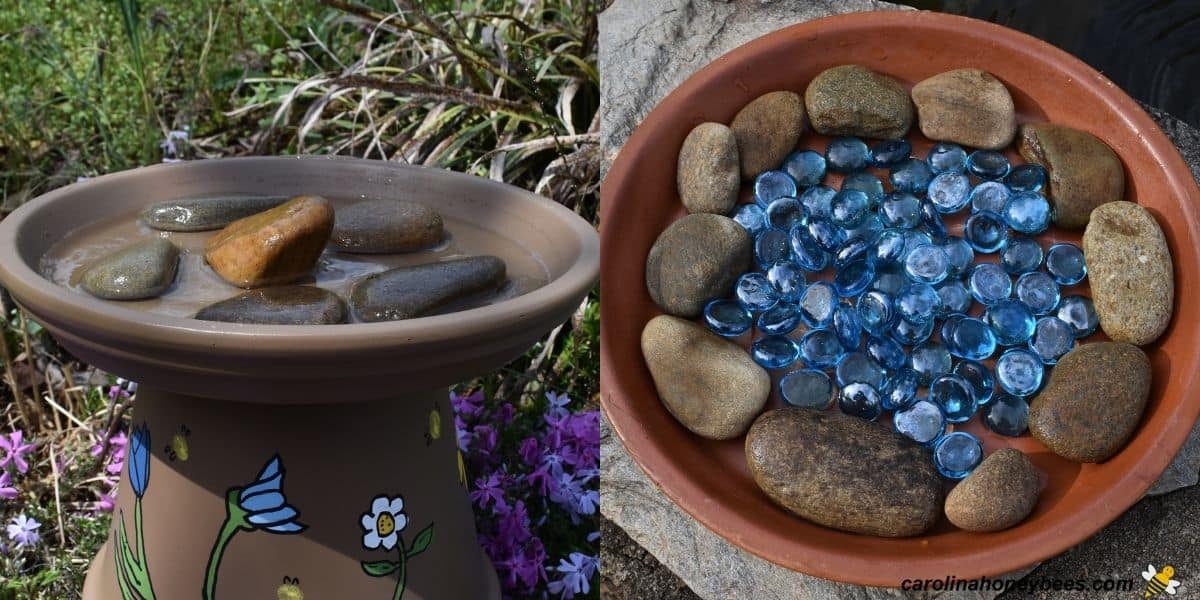
One great idea that does work – if you don’t mind sharing the backyard with thirsty insects, Set up an alternate water source just for the bees.
Here are the instructions for making a bee water station. When using a small container, it will need to be filled every day.
For a larger source that requires less maintenance, a large birdbath filled with stones is a good option. Bees seems to prefer water with a bit of salt – add 1 tsp of table salt per gallon of water.
Lure Bees to Alternate Water Source
It can be rather difficult to get the bees to leave a known water source (your pool). One method is to lure them away over a space of days.
- Fill shallow tin pans with sand and fill up with pool water just to the surface of the sand. This gives them a way to drink safely – and not swim with you. (You can also use other containers with wood floats and add just a tiny bit of sugar water).
- Move the pie pans just a couple of feet farther away from the pool every day until you reach the alternative water source.
If it is possible to keep the pool covered some during the process, you may have better results.
Share the Pool
Some ardent bee lovers set up a safe place for them to drink near one section of the pool – this option is not for everyone of course.
However, it is a good idea to make your pool safer for wildlife. These bee preservation floats work well as a drinking station and save other small animals from drowning.

When to Seek Professional Help
If you find that you have a wild beehive on your property, call a local beekeeper. Someone might be thrilled to take those bees to a new home.
Any local beekeeping association should be able to put you in touch with bee removal services.
If you are concerned about too many wasp nests, professionals will take care of them for you. Or if you feel brave, and are willing to take the risk – you can spray the wasp nests with some soapy water (dish soap) – no need for harsh chemicals.
Another option, make a diy homemade yellow jacket traps (especially effective earlier in the season) to reduce wasp populations near your home.
However, keep in mind that wasps and other insects called “pests” eat a lot of spiders, plant eating caterpillars etc. Everything has a place and a reason for being here.

Honey Bees and Saltwater Pools
While salt water pools contain no chlorine, the salty water itself is very enticing to bees. Those who have a salt water pool are often surprised to find more-not fewer insect visitors.
A honey bee has taste receptors in her front feet. A foraging bee can quickly recognize salt rich water sources.
How can you enjoy a swim without providing a veritable mineral lick to every bee in the neighborhood? Use the same techniques for keeping bees away from any pool but you may have to be a bit more diligent.
Hot Tubs and Spas Attract Bees
If you have a spa or hot tub, it is a good idea to keep it covered when not in use (saltwater or regular water).
Even then, the little rascals may try to get in through the fold seam in the cover (speaking from experience). I keep a separate cover on my hot tub (though it is not salt water) for the same reason.
Beekeeper Practices
If you are a beekeeper, you have a responsibility to limit any negative effects that your backyard hives have on your neighbors.
While it is aggravating to have stinging insects drinking from your own pool, it is even worse to have them inundating your neighbors pool.
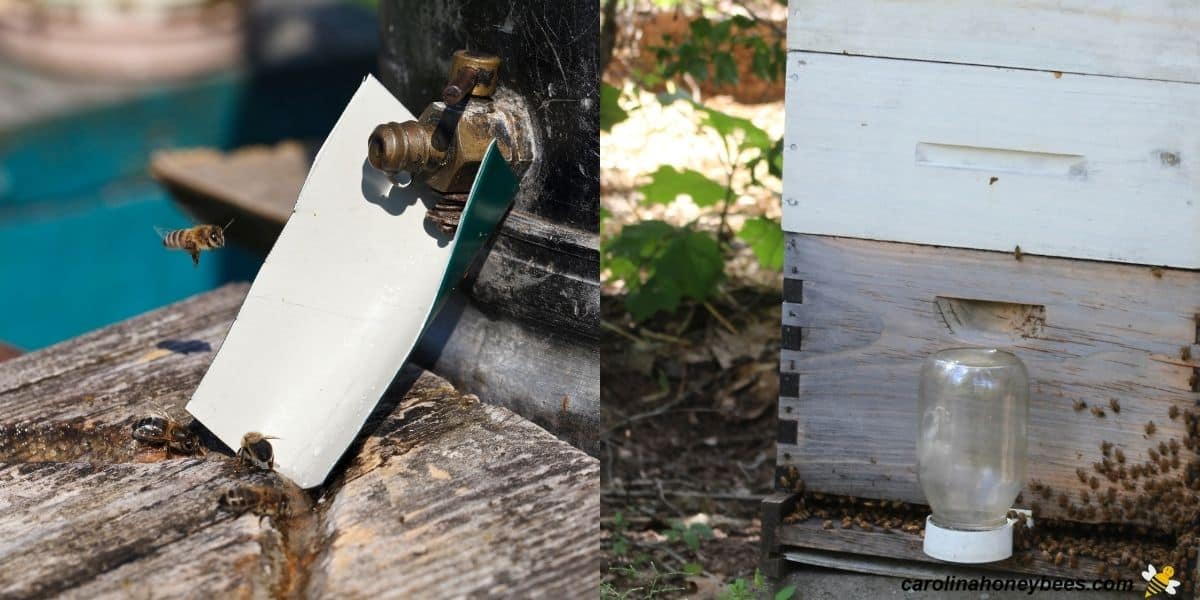
Keep this in mind when considering where to put your beehives. Bees need need water and they will seek it out. Every beekeeper should set up a water source for the hives well before bees arrive.
It should be closer to the hives that any swimming pool or hot tub. Make it attractive and safe to drink from by having shallow areas for drinking and never let it go dry.
In some cases, this type of prevention is all that is needed to keep bees away from a swimming pool. Simply provide them with a more convenient water source (like this fountain).
FAQs
Bees are very receptive to odor. The smell of chlorinated water attract bees and other insects.
Perhaps the bees are thirsty. Put out an alternative water source for them.
Yes, bees will visit your saltwater pool or hot tub – in fact they may like it even better than chlorinated water. Keep hot tubs covered when not in use.
Final Thoughts
As you plan your Summer enjoyment give a thought for the important insects in your region. I don’t blame you for not wanting to have them swimming in the pool with you. I don’t want them in my hot tub either.
Bee stings are the result of frightened people and frightened bees coming together. However, by using some of these tips both you and the bees should be able to survive the hot Summer.