
How Many Beehives to Start?

Beginning beekeeping is exciting – but one of the first questions beginners ask is rather simple – How many hives should I start with? The logical answer would seem to be – start with one until you learn more about what you are doing. And, yes you can do that. But, let me explain why having more than one hive can make learning easier and help you solve some problems that may come up during the season.

The variables in regards to space, time, money and physical ability all come into play for someone interested in learning how to start beekeeping. While there are no hard and fast rules, pay attention to valuable guidelines that can help you be successful.
Why the Number of Beehives Matters for Beginners
For those of you new to the hobby, there are many decisions to make – things can feel a bit overwhelming.
While having only one hive sounds the simplest way to begin, it might not be the best. Fewer bees should mean fewer problems – but that is not always the case.
In fact, the number of hives you begin with can make a big difference in how easy it will be to manage your hives the first season.
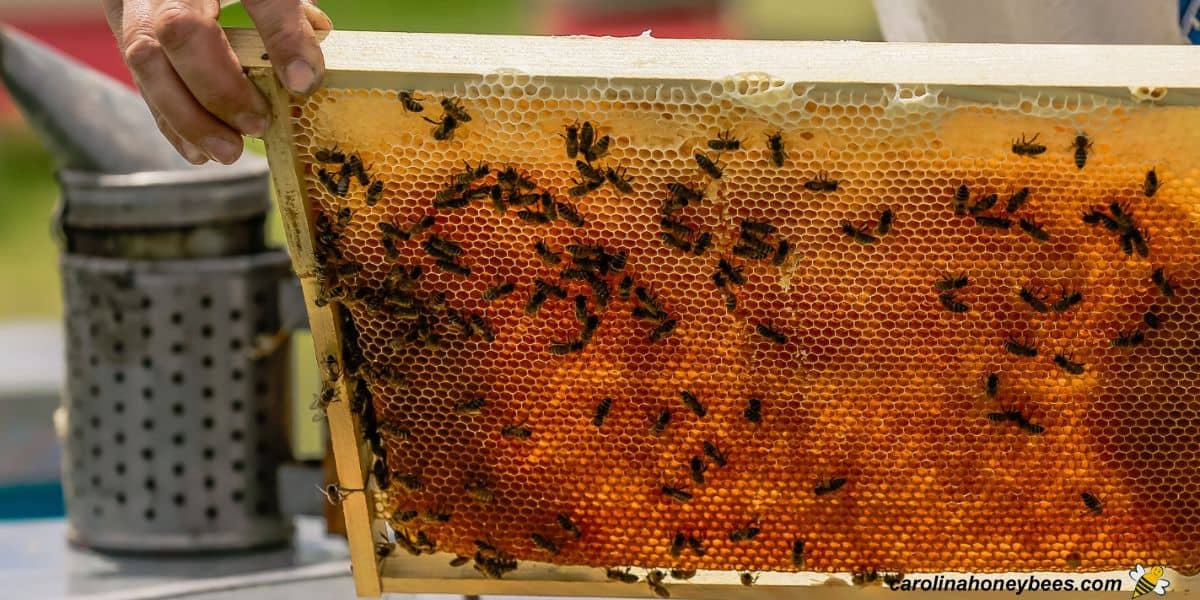
Beekeeping involves a lot of observation. You can read the very best beekeeping books around – but things look different when you open that hive with thousands of moving bees.
Having more than one colony gives you a point of reference. If one hive looks weaker than another, you must wonder why? And sometimes, you can share resources between colonies to help them over a hump.
Of course, every situation is different. Your budget, space available and time will all influence how many beehives you decide to start with.
Should a New Beekeeper Start With One Hive?
Some people will say that you should not start with only one hive. They think it is better to wait until you have the money and time to start beekeeping with two.
I do not disagree with them in that it is more difficult to begin with a single hive. However, should you delay your adventure for a year until you can have two? I don’t think so.
In my online beekeeping class, I recommend starting with two. But, that doesn’t mean that one is a deal breaker.
Advantages of a Single Colony
Starting with only one beehive has a price advantage. We must not overlook the costs related to beekeeping.
The first season is a time when you typically buy all the basic protective bee clothing and a few other tools (bee smoker, hive tool etc). All of this can easily run into several hundred dollars to several thousand dollars.
Many beginners will find themselves buying bees for the first time. Bees are not cheap.
And, for some, the time commitment is an issue – especially if you are holding down a job. One beehive takes less time to inspect than 10.
Challenges of Having Only One Colony
The major challenge of having only one hive in your apiary is a lack of resources in my opinion. Limited resources will affect your management decisions.
With several hives, a hive that has become queenless, may be saved by moving a frame with fresh eggs over from a sister colony. This is not possible when you only have one hive.
Lack of multiple hives also removes the opportunity of learning by comparison. If all the colonies are working hard and one has no bees coming out – maybe you need to inspect?
Truth is, bee colonies die – sometimes in spite of our best efforts. Will a new beekeeper with a single hive with become discouraged and quit? That is one of the major reasons beekeepers quit after their first season.

Benefits of Having More Than 1 Beehive
There are some compelling reasons to start out with at least 2 beehives for the new beekeeper.
- increased chance of success
- share resources (eggs, brood, bees)
- accelerated learning opportunities
Multiple Hives Increases Your Chance of Success
It doesn’t take a new beekeeper long to learn that beekeeping is not easy. Even experienced beekeepers lose colonies every year. If you have only 1 colony and it dies, you have zero bees.
That can be especially hard to take after all of your expense and effort. With another hive in place, you are not starting from scratch next season.
Sharing Resources Between Hives
Having more than 1 hive in the bee yard gives the beekeeper more resources to work with when a colony is having difficulty.
In addition to brood frames, young nurse bees themselves can be shared between colonies. Yes, their different bee pheromones may cause some fighting-but a little sugar water spray reduces that.
Brood, workers and even frames of honey or pollen can be shared among hives. This is called equalizing your bee colonies.

Get the Buzz on Beekeeping & Life with Bees..
Subscribe to my weekly newsletter. Practical beekeeping guidance, along with honey uses, beeswax projects, and bee-friendly gardening ideas.
Faster Learning Opportunities
It may sound a little scary but multiple hives provides multiple learning experiences. Are the bees in your one hive building new comb at a normal rate? Having 2 colonies provides a chance to compare.
No matter how many colonies you have, there will always be some individual differences. However, if one hive is going “gangbusters” and the one sitting next to it is not, we must wonder why.
Perhaps, the difference is due to hive genetics or maybe there is a problem. Experience is the best teacher.
Making notes of your colony’s progress is important. These notes from your beekeeping journal or notebook offer important learning opportunities from year to year.
A Practical Recommendation for New Beekeepers
Your first years are not a time to go “hog wild”. Your investment is better protected if you keep your hive numbers to a manageable number.
Some beekeepers start out being overly optimistic. Perhaps, they want to pursue a bee farm as a business – no harm in that. But, with no beekeeping experience, this could be a recipe for disaster.
It is unfair and irresponsible to have too many beehives for your location or more than you can care for well.
I once had 26 hive that I managed alone – but I don’t recommend it. And, that was a number I built up to after several years of experience. The best number of hives for your apiary may be different than that of a friend.

FAQs
Most new beekeepers start with two hives so they can compare colony health and share resources if needed.
How long it takes you to inspect 2 hives versus 1 hive depends in part on your technique. If you are only doing a quick check for problems, the addition of a second hive does not result in a lot more time.
Starting with two beehives does cost more but not as much as you might think. The basic tools and protective wear are needed for even one hive. Adding another means the expensive of the hive itself and the bees.
Final Thoughts
I encourage my students to begin with 2 hives that first year. Most new beekeepers should not begin with more than 4 beehives without the help of a hands-on mentor. It is much better to spend a year learning and enjoying your honey bee colonies. After successfully over-wintering a colony or two, you will be ready to grow your apiary.