
Fall Beekeeping Tasks for Healthy Hives
As summer winds down, honey bee colonies begin making important changes in preparation for the months ahead. Fall is the beekeeper’s opportunity to evaluate colony health and correct problems while there is still time—you’ll learn the most important fall beekeeping tasks and what to look for in your hives before winter arrives. As a beekeeper myself, I know how easy it is to let time get away from you.
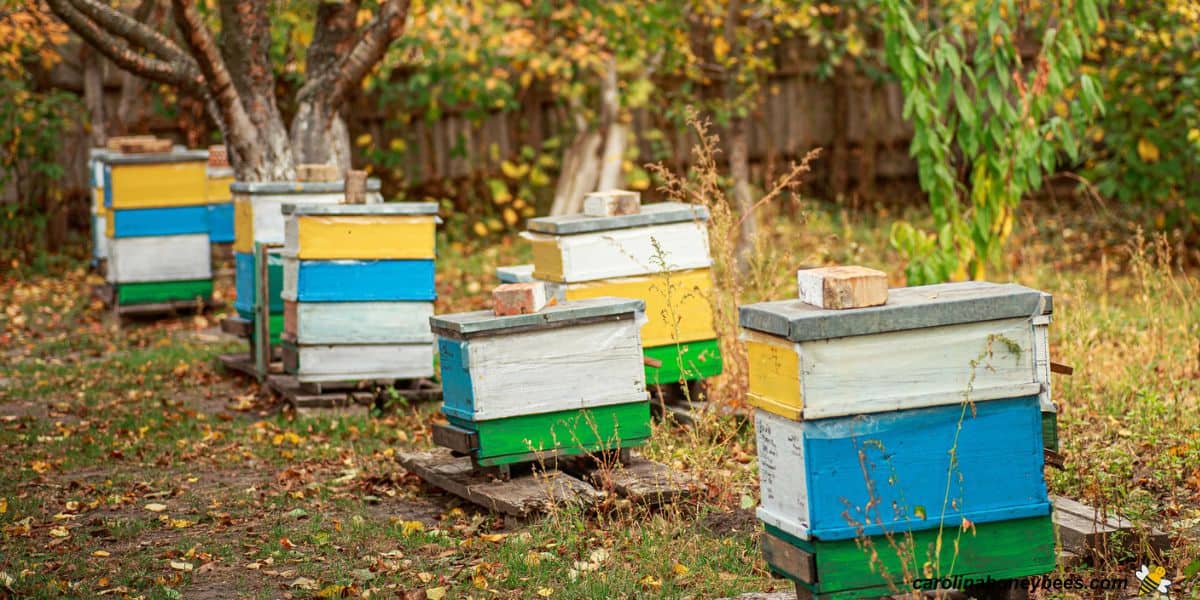
Good fall management gives your colonies a head start, but there are a few additional preparations to make as cold weather approaches. My guide to winterizing beehives covers those final steps in more detail.
What Happens to Honey Bees in the Fall?
Autumn is a turning point for beekeeping endeavors. For most of us, honey production is over and the colony begins shifting its focus from growth to winter survival. This means a healthy population and ample stored food.
As summer nectar sources begin to fade and the days grow shorter, the queen gradually reduces egg laying and the colony population begins to decline.
The bees produced in late summer and early fall are especially important. These special “Fat” winter bees live much longer than the normal six weeks or so of summer workers.
They will make up the colony population that must survive the cold months and be ready to get things going again in spring.
Fall Forage and Changing Colony Needs
Depending on where you live, fall may still provide a good nectar flow from goldenrod, asters and other late-blooming plants.
These bee friendly fall flowers are very important to managed and native bees. As natural forage declines, however, colonies become more protective of their stores and robbing pressure may increase.
What to Check in Your Beehives This Fall
Inspect each hive while you still have suitable weather. Check colony strength, queen status, food stores, Varroa mite levels and hive space.
Healthy colonies may need very little help, while others may need attention before cold weather arrives. My goal as a beekeeper is to strive for healthy hives that need little help from me.
Evaluate Colony Strength
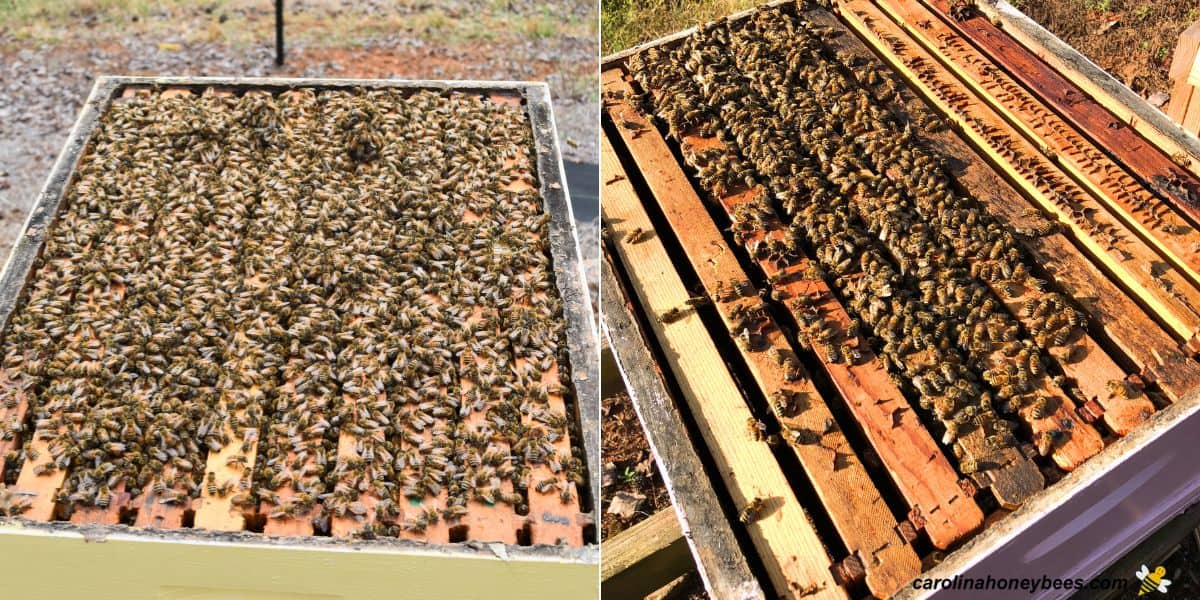
Honey bees survive winter by working together inside the hive. They use stored food and share body heat to resist the cold. No individual bee could survive alone—it takes many.
How many bees are enough? The number of bees needed depends on your climate and the length and severity of winter.
During your fall inspection, compare colony populations and investigate any hive that is noticeably weak.
If you have a healthy but very small colony, consider combining it with another hive.
First, determine why it is weak—queen problems, mites or disease should be addressed rather than simply combining two problem colonies.
Check the Queen and Brood
Look for signs of a productive queen and a good brood pattern, keeping in mind that brood production naturally decreases as fall progresses. A smaller brood nest is not automatically a sign of a failing queen.
If you see signs of a real queen problem: scattered patches of brood, all drone brood, a lack of eggs – consider possible causes.
Take action while requeening your hive is still possible – replacement queens are not available all year.
Monitor Varroa Mite Levels
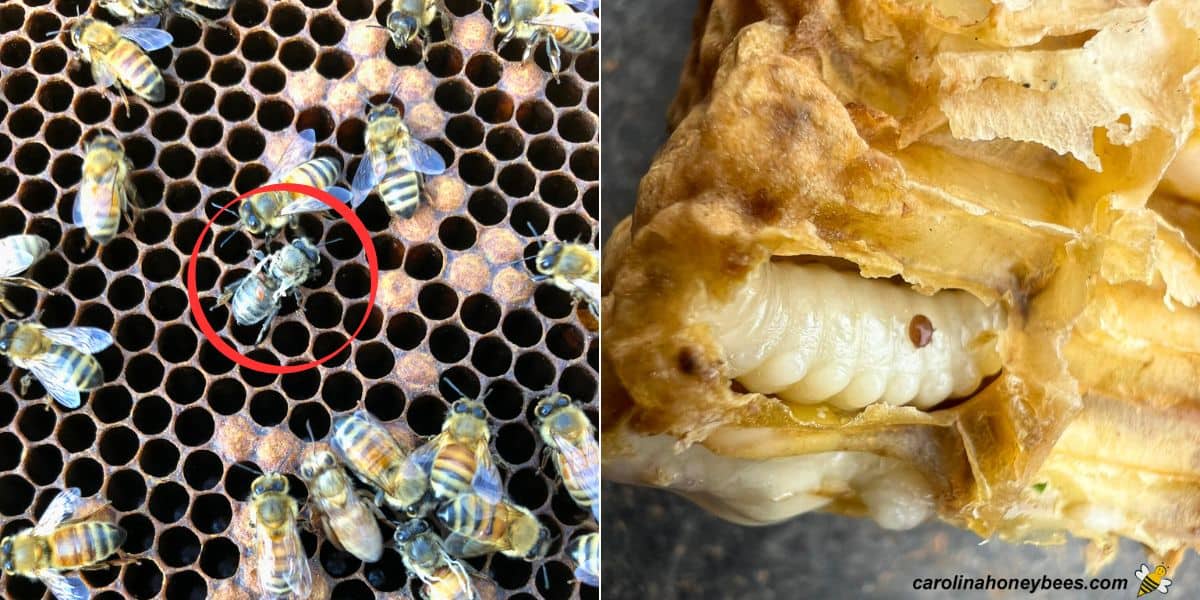
One of the main reasons beehives die or fail during winter is because of Varroa mites. The colony is unhealthy before summer ends. Sick bees raise sick bees.
Do your Varroa mite test counts in mid-late summer and treat if needed. If you have already treated, check again to make sure the treatment worked.
You want healthy nurse bees caring for the winter bees being produced during this important period.
Check Food Stores
Check each hive for adequate food stores—the amount needed varies by climate, colony size and the length of winter.
If a colony is light (short on food), feed while temperatures are still warm enough for the bees to take and process syrup.
When my goal is to increase winter stores, I generally use a thicker 2:1 sugar syrup. Colonies with plenty of stored honey may not need supplemental food. See feeding bees in fall for more details.
Adjust the Hive Space
Remove extra boxes or empty honey supers the colony no longer needs. As the population decreases, this gives the bees less space to guard and patrol.
Store removed supers and drawn comb properly to protect them from wax moths and other pests.
For heaven’s sake – remove those queen excluders – what happens if the cluster moves up to stay in contact with honey and she is left behind!
Watch for Pests and Robbing
Another fall beekeeping task in some areas is to install mouse guards to keep rodents out of the hive.
I do not have a problem with mice getting into my active hives. But they have gotten into my stored comb before and made a big mess!
Also, watch for robbing by yellow jackets or other honey bees that rob weak hives as natural nectar becomes scarce.
Reducing the entrance gives a weaker colony less space to defend, and a robbing screen can help if problems develop.
Avoid leaving hives open too long or spilling sugar syrup around the bee yard—both can encourage robbing.
When Should You Start Fall Hive Management?
Fall management actually begins in mid-late summer, while colonies are still raising the bees that will make up the winter population.
The exact timing depends on your climate, local nectar flows and weather conditions. Check with your local beekeepers association for recommendations. – yes you probably have one.
Don’t rely on a date on the calendar. Queen problems, high Varroa mite levels, weak populations and low food stores are easier to correct while warm weather remains.
By the time cold weather settles in, your colonies should be healthy, well-fed and ready for the final steps of preparing beehives for winter.
Fall Beekeeping Checklist
- Check colony population and overall strength
- Look for signs of a healthy queen and normal brood pattern
- Perform a Varroa mite count and treat if needed
- Check stored honey and feed light colonies if necessary
- Remove unnecessary boxes or empty supers
- Reduce entrances when appropriate
- Watch for robbing, yellow jackets and other pests
- Install mouse guards if they are needed in your area
- Store removed comb and equipment properly
- Complete final winter preparations for your climate
Final Thoughts
Fall is an important time in the bee yard. A little attention now can help you find problems while there is still time to correct them and give your colonies their best chance of entering winter healthy and strong.
Once you have done what you can, let the bees take it from there. They have been preparing for winter much longer than we have been keeping bees.
Do you use drone frames this time of year?
Honestly, I never use drone frames. They can be a good tool but you have to remember to take them out at the right time or they can be a problem not a help.