
First Year in Beekeeping

You have bought the equipment and read the books – you’re ready for your first year of beekeeping! But, are you? Once the bees arrive, everything begins to feel very real and a few doubts are normal. If you are wondering what to expect your first year with bees, here’s the honest answer: it’s less about honey and more about learning to manage your hives. This guide is not a technical how-to. It’s a realistic look at what most hobbyist beekeepers can expect season by season.
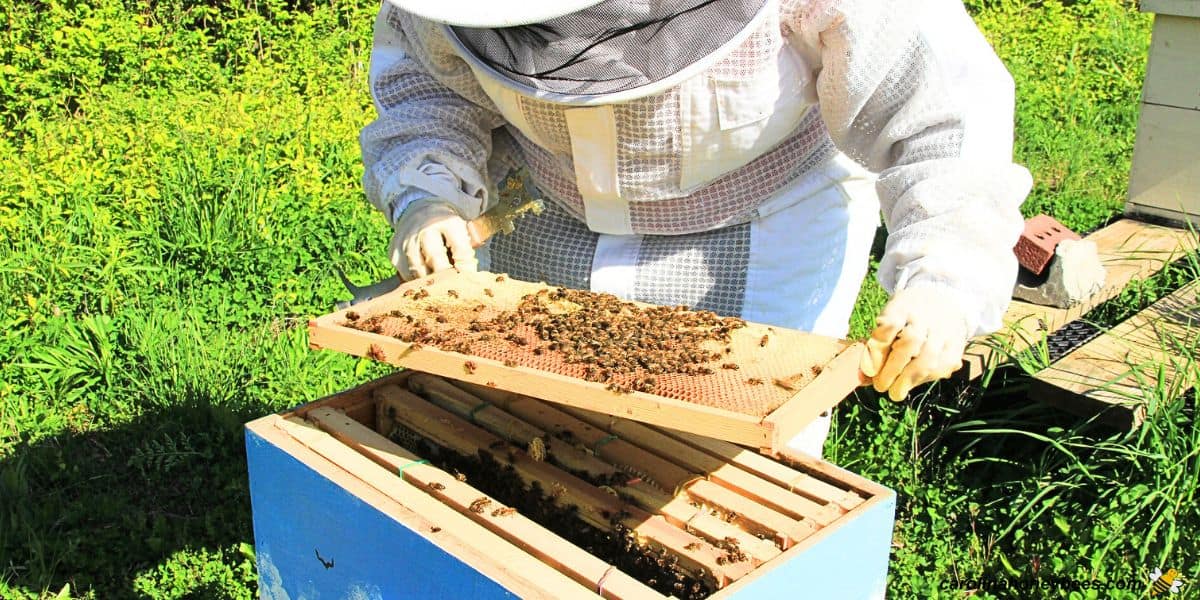
Your first 12 months of starting a beehive is about understanding the rhythm of the colony, gaining experience and understanding that bees don’t always do what we expect.
Installing Bees & First Impressions
If you’ve read beginner beekeeping books , you know the basics of installing bees.
In my opinion, installing a package of bees is easier for beginners. A nuc hive gives you a head start in growth. Both have pros and cons.
Everything feels fresh and full of possibility. I’ve imagined many times how a new colony will grow strong and produce lots of honey – sometimes it doesn’t.
Early Healthy Colony Growth
With good conditions, colonies grow quickly. Package bees take up to 3 weeks before population increases, but comb building begins much sooner. Within a week or two you should see brood and eggs.
If comb is built improperly – between frames (we often call this burr comb) or off foundation- correct it early.
The bees usually do a better job on the second try. If comb is very slow –encourage comb building by feeding.

How Often Should You Inspect Beehives
In spring, everything seems urgent. You’ll likely inspect your beehives more often than necessary. Most of us did – that’s part of learning.
You are looking for:
- eggs
- Brood –in various stages
- Signs of a healthy queen
- Comb building progress
It’s normal to second-guess yourself. Taking photos during inspections really helps me to review later. Look for a a solid brood pattern and steady progress.
Inspections are important but opening the hive too often can slow growth and may even cause a colony to abscond. Bees have managed themselves for a long time without us.
Is My Queen Bee Okay?
Concern about the queen bee is normal. The role of the queen honey bee is vital to the colony, only she can lay eggs that develop into worker bees.
You don’t always need to find your queen bee. Spotting her does not guarantee that she is doing a good job.
Instead, check your comb. Within 7-10 days, most colonies show eggs and larva. If not, ask your supplier for advice.
Swarm Season Surprises
I love catching a bee swarm, especially if it didn’t come out of my hive. Late spring is prime swarm season.
Most beekeepers try to prevent swarming because it reduces population and honey production. The mother hive must rebuild and still prepare for winter.
Thankfully, it is not as common for new colonies to swarm the first season – so you may catch a break.
Summer – Bee Hive Growth
Late Spring into early summer brings continued growth and, in many areas, honey production.
Start with only the number of boxes your bees need. Placing a small colony in an oversized hive invites pest problems.
Adding Space at the Right Time
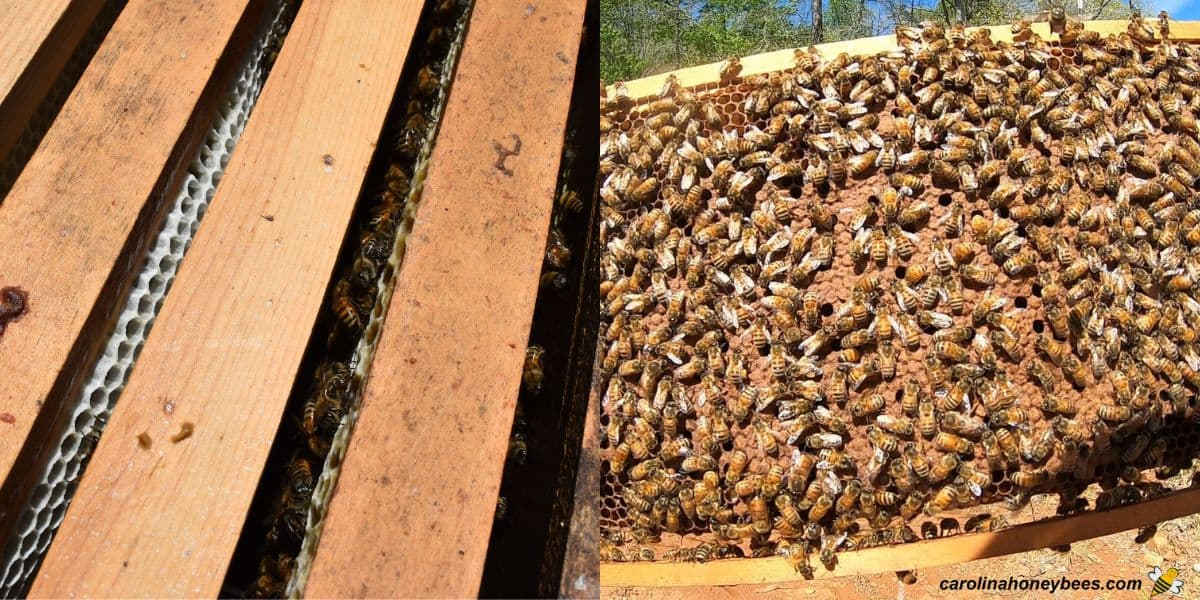
Add boxes to your hive as the colony grows. Experience will help you recognize congestion.
With standard Langstroth hives: follow the “8 out of 10” rule. If the bees are using 8 of 10 frames – it may be time to add another box to the hive.
Will You Get Honey the First Year?
There is no shame in hoping for honey the first year. However, in my region, I tell students in my online beekeeping class – do not expect a honey harvest until year two.
I ‘ve seen packages produce honey the first year – but it’s not guaranteed. If you do harvest, be careful not to take so much that your bees starve over winter.
Monitoring Pests Without Panic
Every beekeeper should monitor colony health and common honey bee pests. Varroa control becomes more important as colonies prepare for winter. We need healthy bees for survival- healthy fat bees.
But, testing for mites should begin early in the year, not just in late Summer.
Mid-Late Summer – Beekeeping Gets Serious

This is the season that separates the beekeepers from the bee-havers (especially in my region).
Our major honey flows (Spring) are over and forage becomes scarce. A nectar dearth may require some supplemental feeding to keep colonies on track.
Adjusting Your Expectations
By late summer, in your first year of beekeeping, your focus needs to shift from excitement to responsibility.
Having healthy colonies with building food stores are the ideal. What you do now directly affects winter survival.
Fall – Preparing for Winter
Fall beekeeping means completing winter preparations: proper hive space, adequate food stores and protection from harsh weather and pests .
Does My Have Hive Enough Food?
This is such a hard question to answer because “enough” depends on your climate, winter length, colony size and more.
In my region, I leave 1 deep and 1 shallow for the bees and add a homemade candy board under the inner cover.
I monitor food sources as we move into late winter and feed if necessary. Feeding bees in winter is not ideal but you can do it.
Your local beekeeping association can offer the best guidance for your area.

Protecting the Hive from Weather and Pests
Fall is the time to install mouse guards, reduce entrances and complete the tasks of winterizing a beehive. Ensure good airflow, beehive ventilation is important to prevent moisture buildup.
Winter – Waiting, Worrying & Planning for the Beekeeper
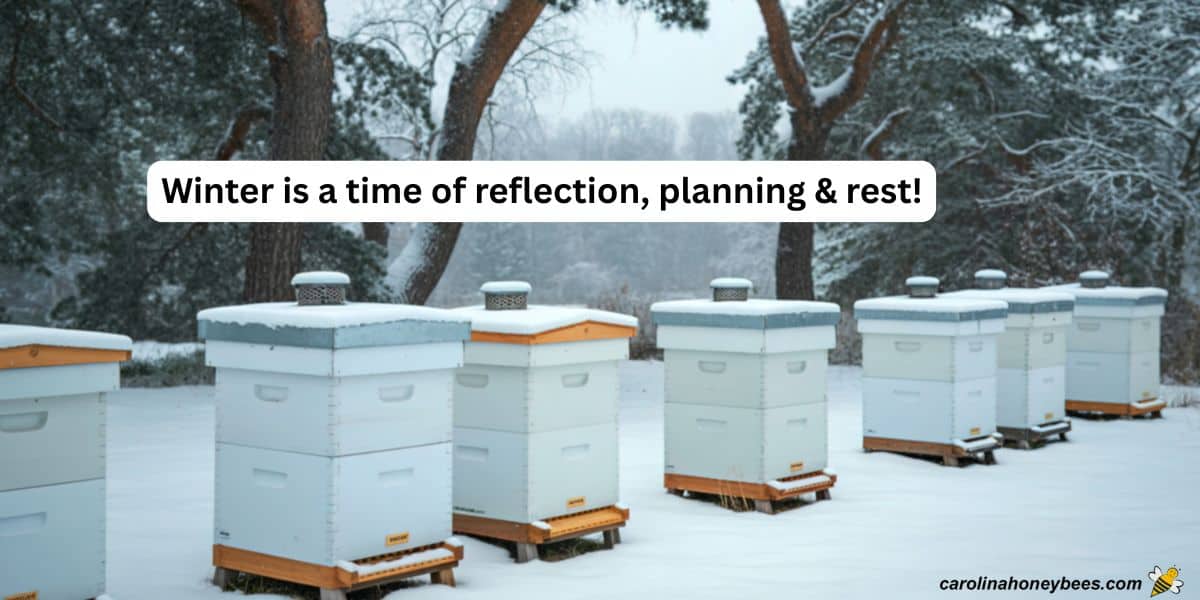
Winter is mostly a hands-off time. Opening the hive in cold weather is generally not advisable. Some people say not to tap and listen for a buzz. I do –and most of us are guilty of it.
Is My Hive Still Alive?
Bees will fly out of the hive on warmer winter days. Seeing a few dead bees at the entrance is normal. However, if you have other hives flying and one is not, it may need checking.
Checking Food
Later in Winter, I gently check from the top without disturbing the cluster. If no food is visible, I provide emergency feed. There is no need to dig through the hive removing frames.
Planning for Year Two
Winter is the planning season. Will you want to add more hives to your bee yard? Perhaps, there is a cool new bee gadget you like the looks of?
Look through your beekeeping records for the last season (you did take hive records right?). Do you see any ways to improve next year?
Try Not to Worry
Winter can be a stressful time for beekeepers. Some colonies fail even with the best care. If you missed something this year, do better next time.
When we educate ourselves and do the best we can, that’s all we can do. Winter beekeeping tasks focus on providing emergency aid and waiting for next year.
Finally – Survival is a Win
If your colony survives winter and you understand more than you did last spring, your first year beekeeping was a success. It is great to get a large honey harvest, but beekeeping experience leads to bigger and better things.